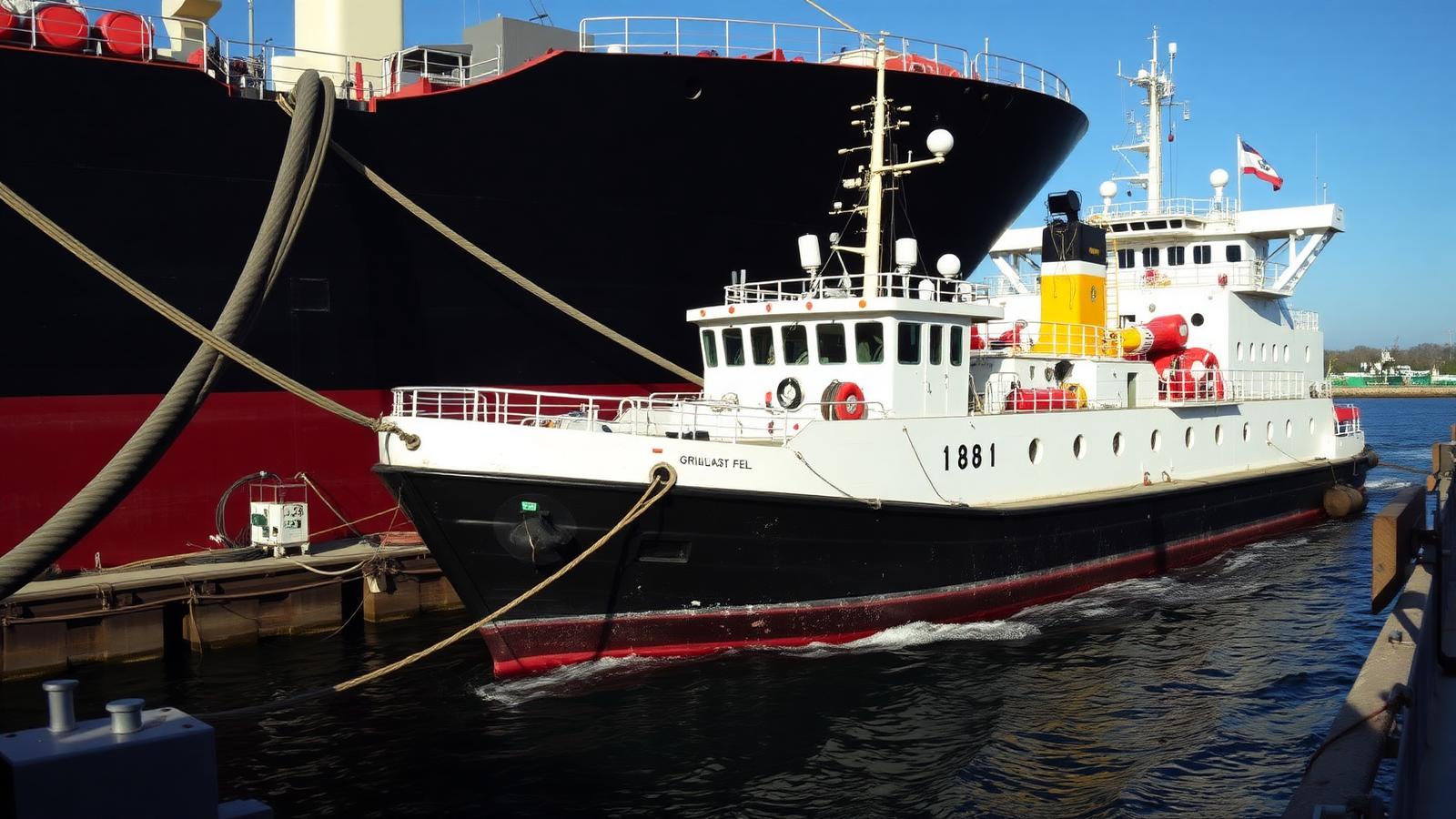
Reports of Container Ship Incidents in Strait of Hormuz Precede Oil Price Movements
Market observers noted an upward trend in crude oil prices following preliminary reports detailing incidents involving container vessels within the Strait of Hormuz.
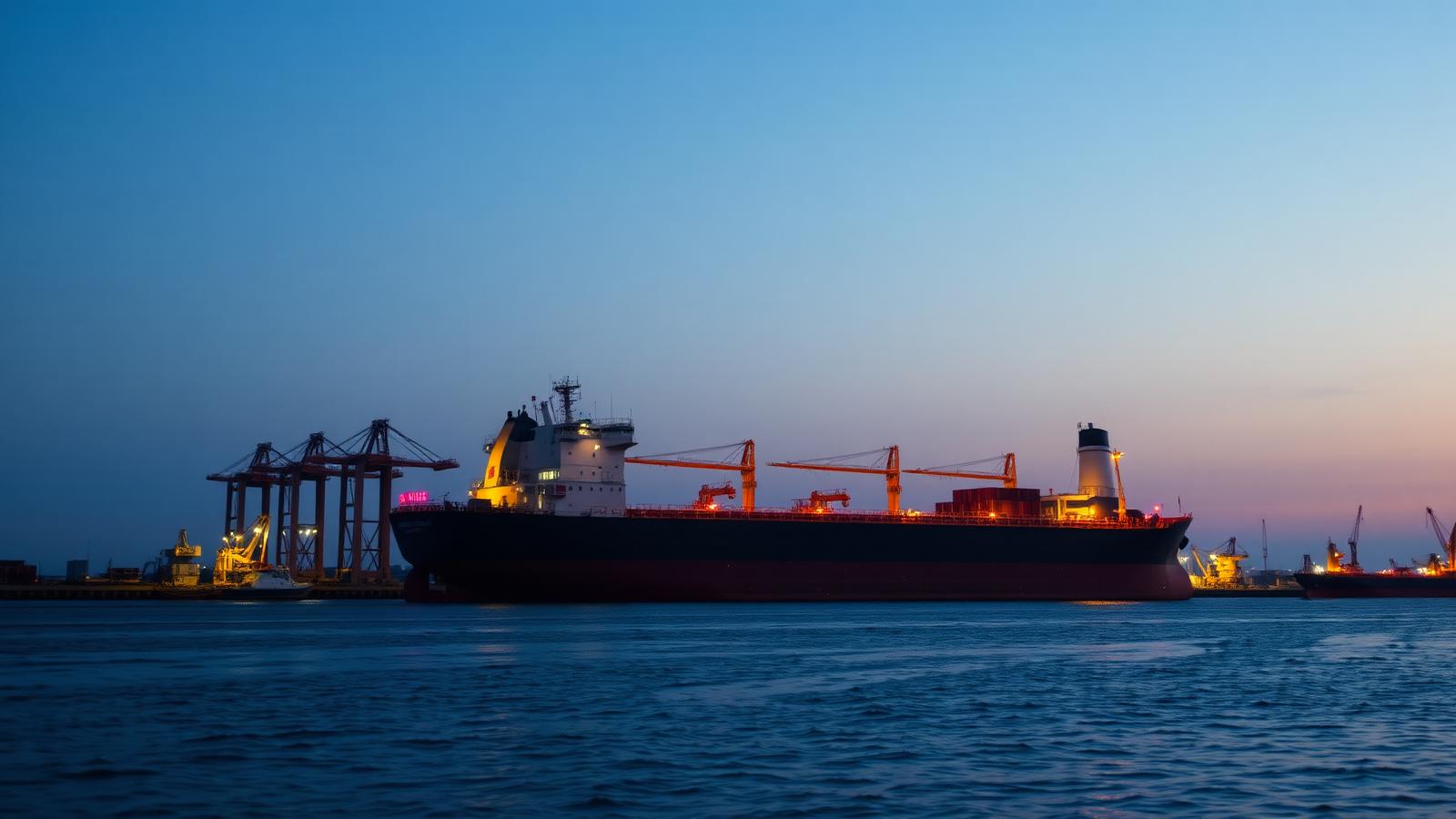
Global crude oil prices experienced an increase after reports surfaced concerning events affecting container ships in the Strait of Hormuz. This development drew attention to the critical maritime chokepoint and its ongoing significance for international energy and trade flows. The Strait of Hormuz is a key passage for a substantial portion of the world's crude oil supply.
The reported incidents involving container vessels occurred in a waterway that connects the Persian Gulf with the Arabian Sea, serving as the sole sea passage from the Persian Gulf to the open ocean. Shipping activity through this strait is continuously monitored due to its strategic importance for global commerce and energy security. Any disruption or perceived threat in this region often leads to market reactions.
Oil benchmarks responded to the news, reflecting market participants' assessment of potential implications for supply routes. The sensitivity of crude oil prices to events in the Strait of Hormuz underscores the role of maritime security in global energy markets. Traders often factor in geopolitical developments when evaluating future supply and demand dynamics.
Container shipping routes are integral to global supply chains, transporting a wide array of goods worldwide. Incidents affecting these vessels in strategic waterways can have broader implications beyond the immediate maritime sector. The Strait's role in linking major oil-producing regions to consumption centers amplifies the impact of any reported events.
Maritime security in key passages like the Strait of Hormuz is a persistent concern for the shipping industry and energy sector stakeholders. The safe transit of vessels through such chokepoints is considered essential for maintaining stability in global commodity flows. These recent reports highlight the continued vigilance required regarding maritime activities in this region.
Market Impact Considerations
The upward movement in oil prices observed after the reports suggests that market participants are responsive to potential supply chain vulnerabilities. The Strait of Hormuz is a non-optional transit point for many tankers and cargo ships. Its operational status and security environment are therefore critical factors in commodity price formation, particularly for crude oil.
Further analysis by market intelligence groups will likely focus on the precise nature of the reported incidents and any subsequent official confirmations. The commodity trading community often assesses such developments for their duration and potential for broader escalation, which can influence pricing strategies and risk management decisions. The immediate price reaction underscores the market's sensitivity to perceived security risks in critical maritime arteries.
What it means
For commodity traders, reports of incidents in the Strait of Hormuz immediately signal potential supply disruptions, leading to upward pressure on crude oil futures and related energy products. Shipowners and charterers will be evaluating increased insurance premiums and routing options, though the Strait's strategic importance often limits viable alternatives. The incident underscores the inherent geopolitical risk embedded in global shipping and commodity logistics, prompting heightened risk assessments for voyages through critical chokepoints.
Related topics
- Strait of Hormuz
- Container Ships
- Maritime Security
- Crude Oil
- Energy Markets
- Shipping
Sourcing & attribution
Reported with reference to Reuters. View original report
This article is an original Atlas summary produced under our editorial policy with AI drafting assistance and human editorial review. Spotted an error? Request a correction.

Elena Marchetti
Elena Marchetti covers commodity and energy market structure, benchmarks and trade flows for Atlas Commodity Group. She edits the publication's daily market intelligence coverage.