
Russian Fuel Market Faces Supply Challenges
The Russian domestic fuel market is experiencing supply difficulties, prompting discussions about potential import strategies to address growing shortages.
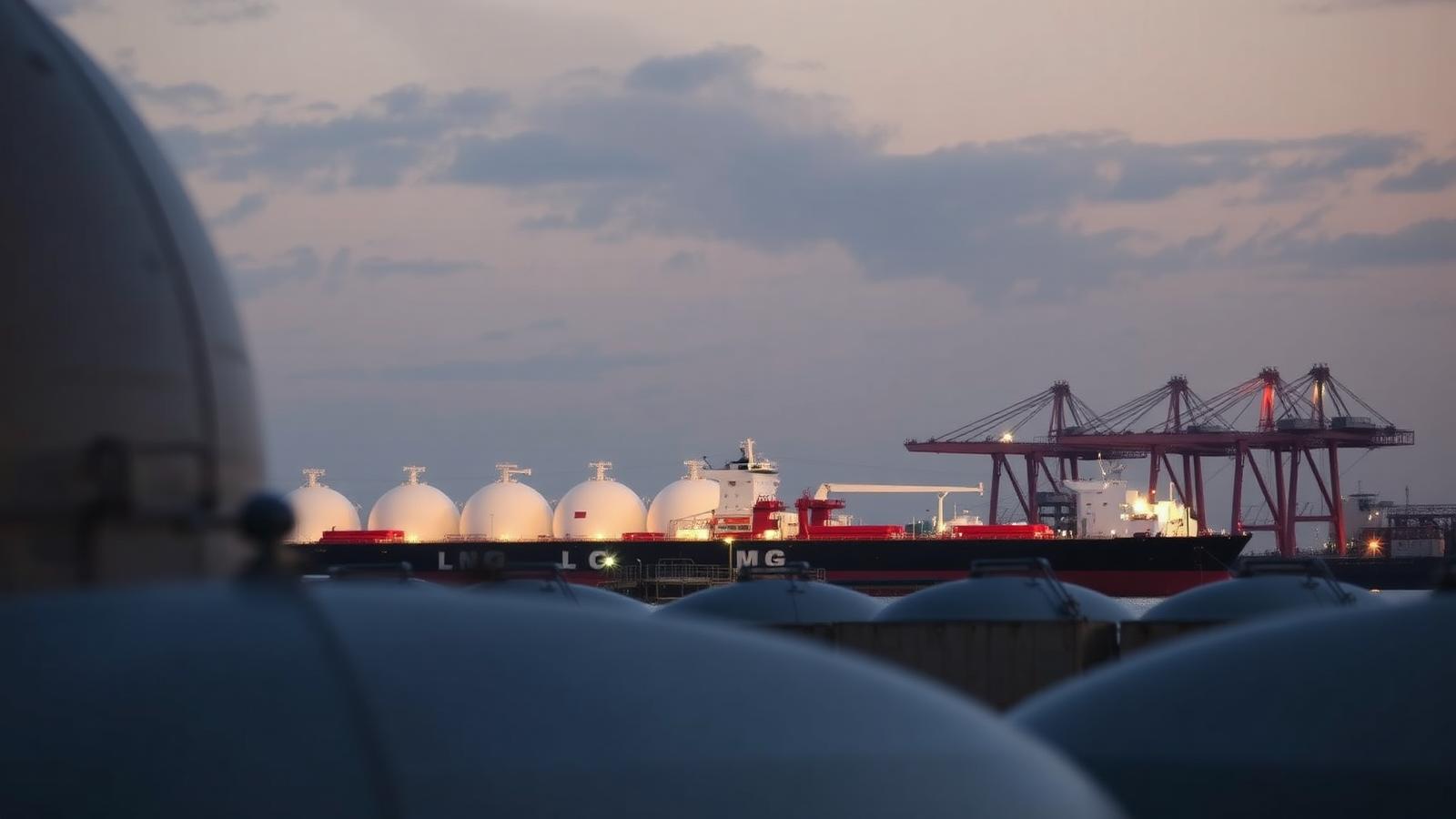
The Russian domestic fuel market is currently navigating a period of supply challenges. Reports indicate a tightening of available fuel products within the country's internal distribution networks. This situation has led to increased attention on mechanisms to stabilize and secure national fuel provisions.
The emerging supply constraints underscore the complexities inherent in managing large-scale energy markets. Factors such as production adjustments, logistical bottlenecks, and shifting domestic demand patterns can contribute to such market conditions. Ensuring consistent access to fuel is a critical component of economic stability and operational continuity across various sectors.
Market Response and Potential Solutions
In response to the reported shortages, discussions are surfacing regarding the potential role of fuel imports. Importing refined petroleum products could serve as a supplementary measure to augment domestic supply volumes. Such an approach aims to alleviate pressure on the internal market and meet prevailing demand.
Evaluating the feasibility and impact of increased imports would involve assessing several factors. These include global market availability, transportation logistics, and the economic implications of procuring fuel from international sources. Any import strategy would need careful consideration to ensure its effectiveness and sustainability.
The reliance on domestic refining capacity remains a cornerstone of Russia's fuel independence. However, periods of heightened demand or operational adjustments within the refining sector can sometimes necessitate external supply interventions. This highlights the dynamic nature of energy markets and the need for flexible supply chain management.
Implications for Domestic Consumers
For domestic consumers and industries, the availability of fuel products is paramount. Consistent supply underpins transportation, agricultural operations, industrial activities, and various other economic segments. Addressing supply challenges is essential to maintain operational efficiency and mitigate potential disruptions.
Monitoring market dynamics and implementing responsive measures are key aspects of managing the current situation. The long-term stability of the fuel market relies on a combination of robust domestic production, efficient distribution, and adaptable supply strategies. The current focus on potential import options reflects a broader effort to ensure market equilibrium.
Related topics
- Russia
- Commodities
- Energy Market
- Imports
- Supply Chain
Sourcing & attribution
Reported with reference to Reuters. View original report
This article is an original Atlas summary produced under our editorial policy with AI drafting assistance and human editorial review. Spotted an error? Request a correction.

Elena Marchetti
Elena Marchetti covers commodity and energy market structure, benchmarks and trade flows for Atlas Commodity Group. She edits the publication's daily market intelligence coverage.