
Tanker Reportedly Struck in Strait of Hormuz
A commercial vessel has been reported as struck while transiting the Strait of Hormuz, coinciding with reports of military actions in the region.
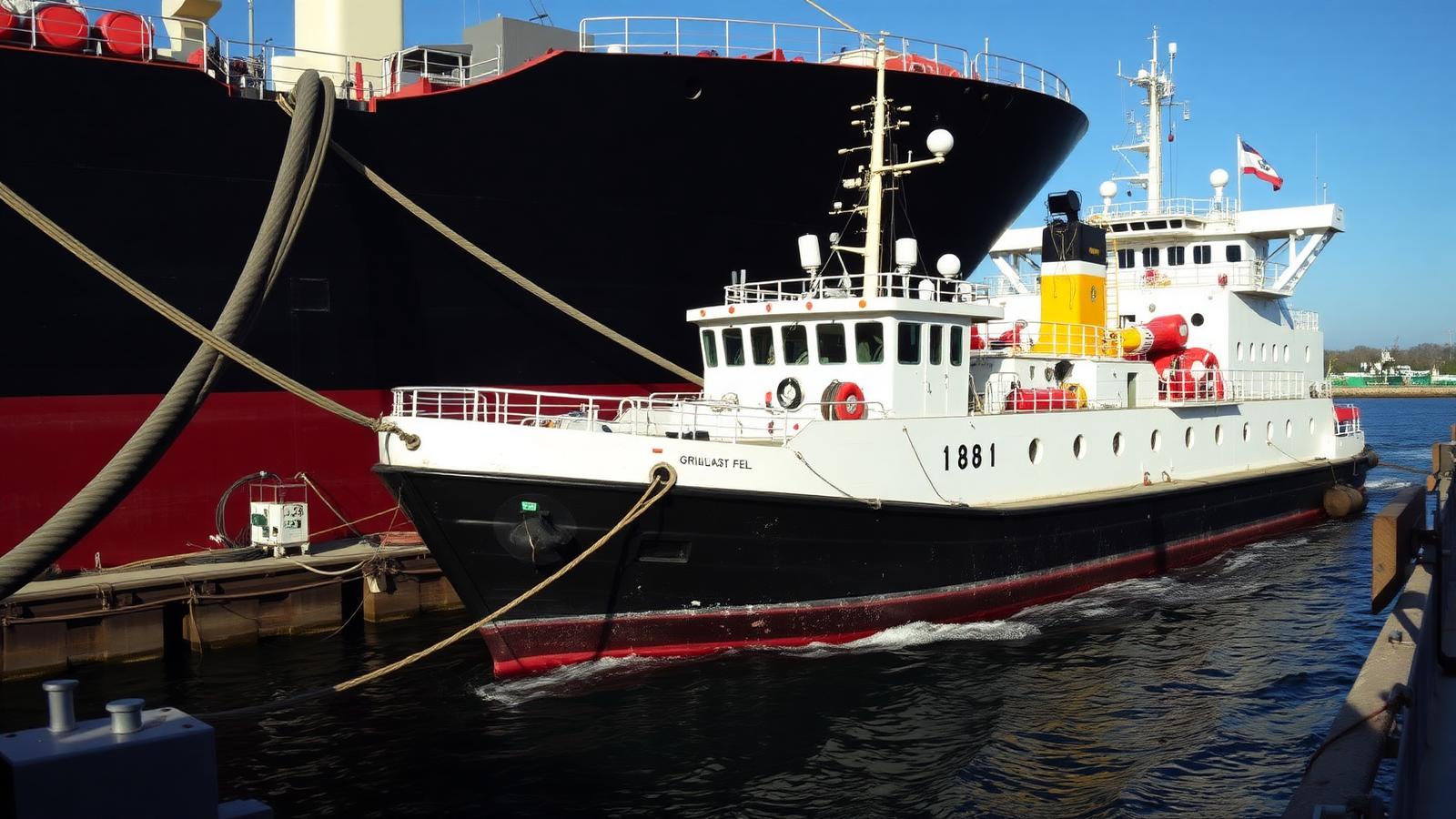
Reports indicate that a commercial oil tanker experienced an incident while navigating the Strait of Hormuz. Details regarding the nature of the incident and the extent of any damage remain limited in initial reports.
The Strait of Hormuz is a critical maritime chokepoint for global energy markets. A significant portion of the world's seaborne oil and liquefied natural gas (LNG) transits through this narrow passage, making any disruption a point of concern for international trade.
Simultaneously, reports have emerged concerning military activity in the vicinity. These reports suggest that United States forces undertook strikes against an Iranian island. The precise targets and objectives of these reported strikes have not been fully disclosed.
The timing of these events, with the tanker incident and the reported US actions occurring concurrently, is noted. The wider geopolitical context of the region often involves heightened sensitivities regarding maritime security and military operations.
Maritime Security Implications
Incidents involving commercial vessels in key shipping lanes, particularly those that are geographically constrained, frequently lead to increased scrutiny from the maritime industry. Shipowners, insurers, and charterers typically reassess risk profiles and security protocols following such events.
Navigational safety and the protection of global trade routes are primary concerns for international maritime organizations and national navies operating in the region. The Strait of Hormuz, due to its strategic importance, is subject to continuous monitoring by various entities.
What it means
For commodity traders and shipowners, reports of incidents in the Strait of Hormuz can trigger immediate reactions in pricing and shipping rates. Increased perceived risk often leads to higher insurance premiums for vessels operating in the area, potentially affecting freight costs and the overall economics of crude oil and refined product shipments. Furthermore, such events can introduce volatility into oil futures markets as participants assess the potential for supply disruptions or extended delays in transit. Monitoring official advisories and security assessments becomes crucial for operational planning and risk management in this critical waterway.
Related topics
- Oil Tanker
- Maritime Security
- Energy Markets
- Shipping
- Geopolitics
Sourcing & attribution
Reported with reference to Reuters. View original report
This article is an original Atlas summary produced under our editorial policy with AI drafting assistance and human editorial review. Spotted an error? Request a correction.

Elena Marchetti
Elena Marchetti covers commodity and energy market structure, benchmarks and trade flows for Atlas Commodity Group. She edits the publication's daily market intelligence coverage.
