
US Gulf Coast Refiners See Margin Improvement Amid Rising Demand
Increased fuel demand linked to geopolitical developments has contributed to improved refining economics for facilities located on the US Gulf Coast.
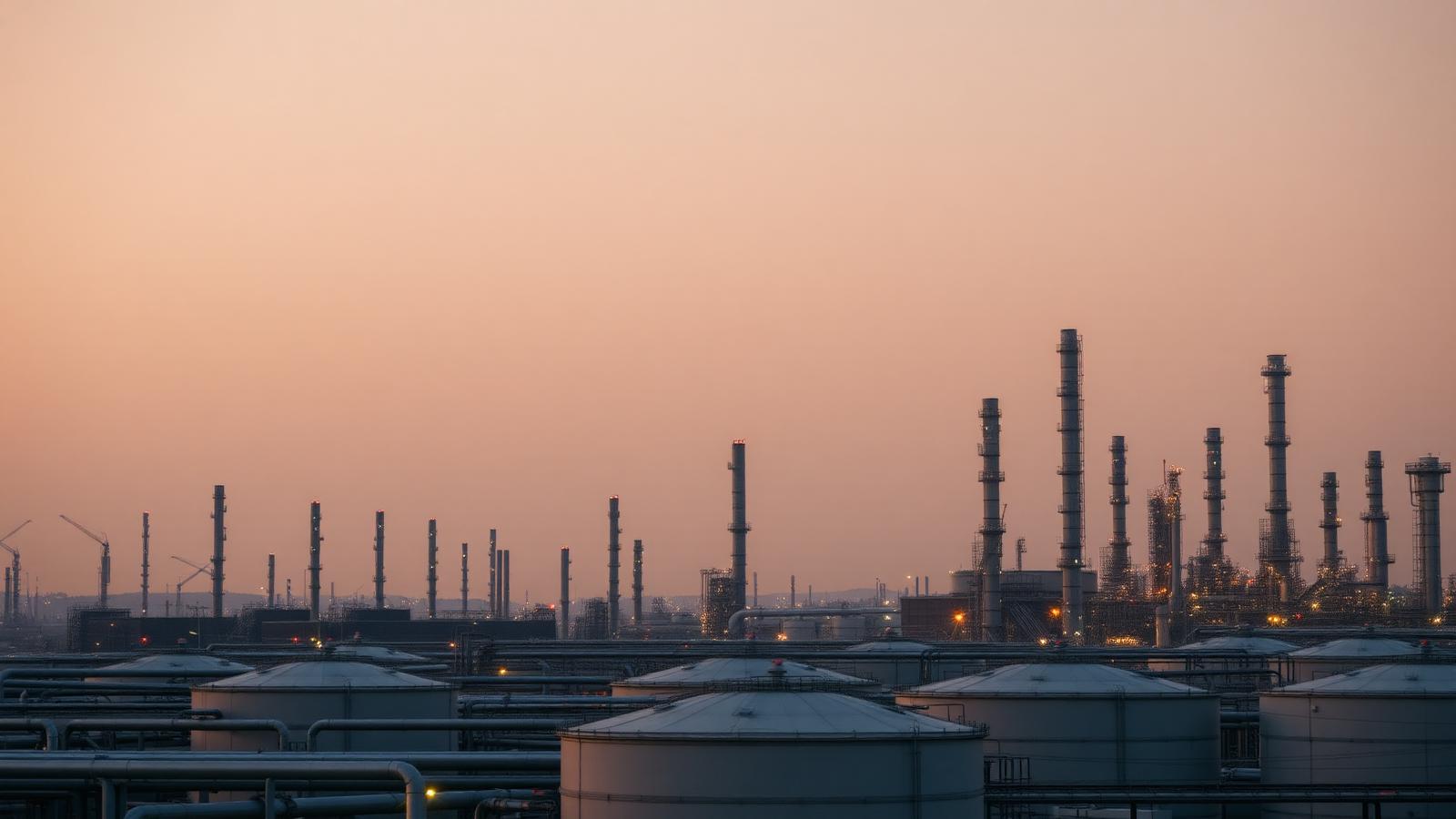
Refining margins for producers on the United States Gulf Coast have demonstrated an upward trend, influenced by shifts in global fuel supply and demand dynamics. This development follows a period where logistical challenges and market adjustments created specific opportunities for regional refiners.
The improvement in margins is primarily attributable to an observed increase in demand for US-produced fuels. This demand has been noted in international markets, particularly those experiencing supply disruptions or seeking alternative sourcing options. The strategic location of Gulf Coast refineries positions them favorably to meet such evolving international requirements.
Several factors contribute to the profitability of refining operations, including crude oil acquisition costs, product prices, and operational efficiency. The current market conditions appear to have created a positive spread between the cost of feedstock and the value of refined products, enhancing the economic viability of processing crude oil into fuels like gasoline, diesel, and jet fuel.
Market Dynamics and Supply Chains
The global energy landscape continues to adjust to various geopolitical events, which can significantly impact commodity flows. In this context, demand for US fuel exports has shown an uptick, providing an outlet for surplus production capacities. This shift underscores the interconnectedness of global energy markets and the rapid response required from supply chains.
Fuel oil and bunkering markets, in particular, often react sensitively to changes in regional supply availability and shipping routes. An increase in demand for refined products from the US can influence pricing and availability in key shipping hubs, potentially affecting operational costs for vessel operators and bunker suppliers worldwide.
What it means
Related topics
- US Gulf Coast
- Fuel Demand
- Commodity Markets
- Energy Exports
- Bunkering
Sourcing & attribution
Reported with reference to Reuters. View original report
This article is an original Atlas summary produced under our editorial policy with AI drafting assistance and human editorial review. Spotted an error? Request a correction.

Elena Marchetti
Elena Marchetti covers commodity and energy market structure, benchmarks and trade flows for Atlas Commodity Group. She edits the publication's daily market intelligence coverage.